Field note - Geofencing
Geofencing beyond theft prevention.
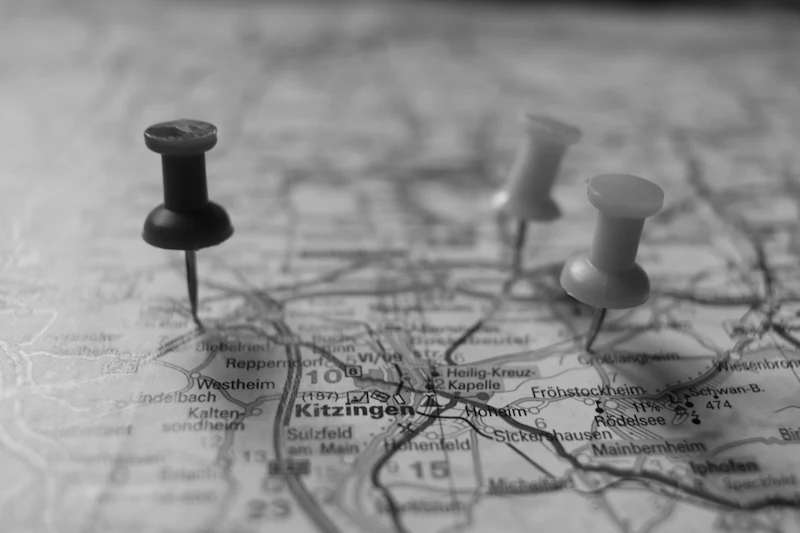
A well-designed boundary turns a map into an operational agreement your team can act on.
Make commitments visible
Set arrival and departure boundaries around depots, customer sites and restricted areas. Alerts show when a vehicle enters late, leaves early or takes an unexpected route.
Improve service discipline
Use geofence events in customer reporting and driver coaching. Clear, time-stamped evidence supports SLAs and reduces avoidable disputes.
Design geofences that support the business
Create boundaries around depots, customer sites, restricted areas, borders and approved corridors. Give each boundary a purpose, owner and response rule; avoid creating noisy alerts that teams learn to ignore.
How to apply this in your fleet
Use arrival, departure and dwell events to validate service windows, investigate route exceptions and improve customer reporting. Review boundaries as sites, contracts and routes change.
Frequently asked question
What are practical uses for fleet geofencing?
Geofencing supports theft prevention, SLA evidence, depot workflow, compliance, route discipline and automated arrival or departure notifications.
Key takeaways
- Turn live vehicle data into a clear operating routine.
- Review exceptions with the people responsible for the next action.
- Use consistent measures to improve safety, service and efficiency over time.
Make it practical
Start with one route, depot or team. Set a baseline, agree on the signal that matters and review the result every week. Small, visible improvements build the confidence to expand the process across the fleet.
Talk to ShelterTrack Solutions