Field note - Fuel efficiency
Five signs your fleet is bleeding fuel cost.
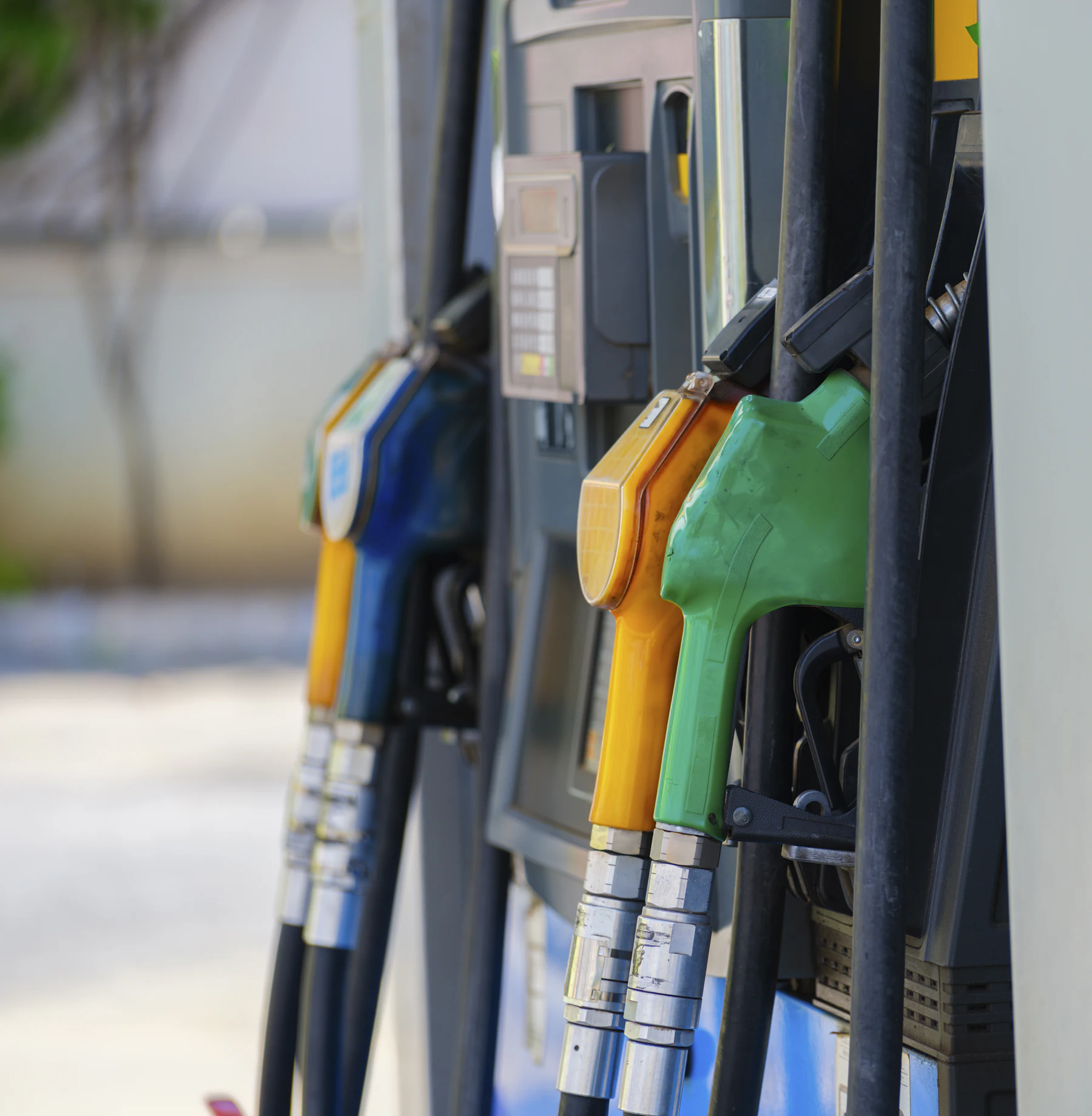
Idle time, detours and poor driving habits rarely appear on one invoice. Together, they can quietly erode every trip margin.
What to watch
Look for excessive idling, repeated route deviations, speeding, unauthorised trips and vehicles that consume fuel without meaningful utilisation. GPS trip history and vehicle status data turn those patterns into a measurable operating picture.
What to do next
Set practical alerts, review exceptions weekly and coach drivers with context. A consistent review loop helps teams reduce waste without slowing the work down.
Fuel cost signals to measure
Track fuel spend per kilometre, idle duration, route deviation, harsh acceleration and unauthorised movement. Compare vehicles on the same route and separate legitimate workload from avoidable waste.
How to apply this in your fleet
A weekly fuel review should end with one owner and one action: coach a driver, investigate a route, schedule maintenance or update an alert. Over time, the baseline shows whether the intervention is working.
Frequently asked question
How can GPS tracking reduce fuel costs?
GPS tracking connects fuel-related behaviour to a vehicle, driver, route and time window, helping managers act on the specific cause rather than guessing.
Key takeaways
- Turn live vehicle data into a clear operating routine.
- Review exceptions with the people responsible for the next action.
- Use consistent measures to improve safety, service and efficiency over time.
Make it practical
Start with one route, depot or team. Set a baseline, agree on the signal that matters and review the result every week. Small, visible improvements build the confidence to expand the process across the fleet.
Talk to ShelterTrack Solutions