Field note - Fleet operations
What changes when a fleet crosses 50 vehicles.
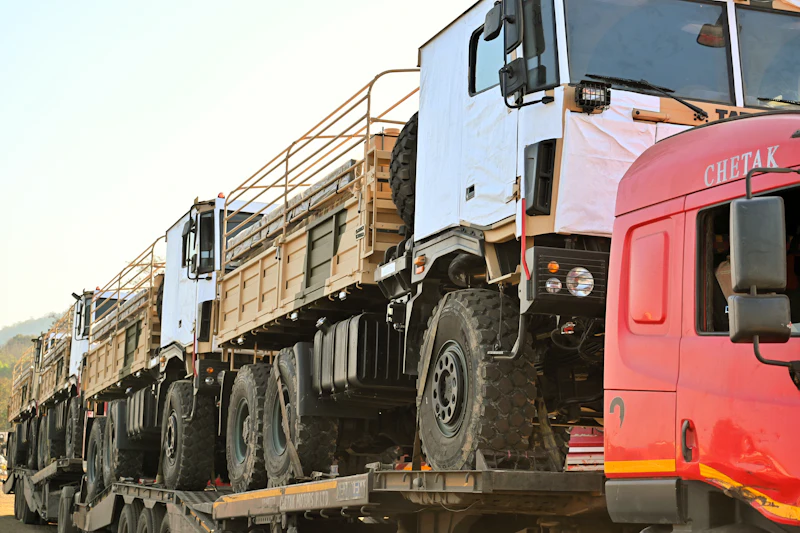
Scale exposes gaps in dispatch, maintenance and accountability that informal processes can hide.
Standardise the operating picture
Centralise vehicle status, trip history, driver assignments and maintenance exceptions. Shared definitions make handovers faster and decisions more consistent.
Automate the repeatable work
Use alerts and scheduled reports for service due dates, route exceptions and utilisation. Your team can focus on action instead of chasing updates.
The systems that matter beyond 50 vehicles
At this scale, informal WhatsApp updates and spreadsheets create blind spots. Standardise vehicle naming, driver assignment, trip status, maintenance ownership and escalation rules in one shared platform.
How to apply this in your fleet
Introduce role-based dashboards and scheduled reports for utilisation, downtime, service due dates and exceptions. A consistent operating rhythm lets supervisors manage by priority instead of chasing every vehicle.
Frequently asked question
What is the biggest challenge when a fleet grows?
Visibility and accountability become harder to maintain. Standard data, clear ownership and automated alerts help the team scale without adding unnecessary administrative work.
Key takeaways
- Turn live vehicle data into a clear operating routine.
- Review exceptions with the people responsible for the next action.
- Use consistent measures to improve safety, service and efficiency over time.
Make it practical
Start with one route, depot or team. Set a baseline, agree on the signal that matters and review the result every week. Small, visible improvements build the confidence to expand the process across the fleet.
Talk to ShelterTrack Solutions